
Affiliate disclosure: As an Amazon Associate I earn from qualifying purchases. We may also earn a commission from qualifying Walmart purchases through our links, at no extra cost to you.
INDOOR MEASURING • BUYING GUIDE
Bosch GLM100-23: a simple choice for room measurements?
Compare the tool’s fit for your projects and check both stores before ordering.
Updated October 18, 2026 • Research-based review • U.S. buying guide
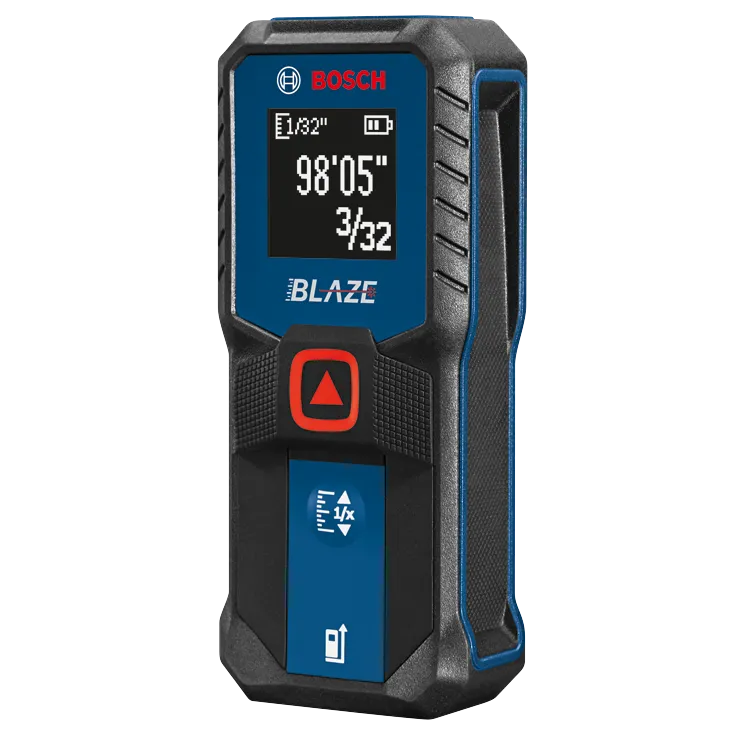
Quick answer: should you buy the Bosch GLM100-23?
The Bosch GLM100-23 is worth considering if most of your measuring happens inside rooms and you want a simple way to record wall-to-wall distances. It makes more sense as a companion to a tape measure than as your only measuring tool. Before ordering, compare the exact model, seller, condition, delivery charge, and return terms on Amazon and Walmart. A lower headline price alone does not establish the better purchase.
This is a research-based buying review, not a hands-on test. We checked Bosch’s product information and operating manual, then used those specifications to assess common homeowner tasks. We have not independently measured its accuracy, battery life, drop resistance, or long-term reliability. Any practical recommendation below is editorial judgment, rather than a reported laboratory result.
Amazon vs Walmart: how the price comparison stands
We could not verify a current Amazon checkout price for the same offer during this update. Walmart search results showed multiple listings and prices, but those results were crawled earlier and cannot establish today’s delivered cost. For that reason, this review does not name a current price winner or present an old search result as a live deal.
The Amazon button opens a model-specific search, rather than a verified individual product offer. Choose a result labeled GLM100-23 and check the seller before buying. The Walmart button opens a listing for that model; its available seller, fulfillment arrangement, and terms can change. Both buttons are affiliate links.
Compare both stores in the same shopping session with your ZIP code entered. Select one new unit at each store, remove unrelated bundles, and proceed far enough to see shipping and estimated tax. Record the total before payment. This avoids comparing one store’s product price with the other store’s delivered price.
A useful rule is to choose the lower delivered total only after both offers pass your seller and condition checks. If one seller has unclear returns or incomplete product details, the slightly cheaper offer may not be worth the uncertainty. The right choice depends on the offer you can actually place in your cart.
| Check | Amazon | Walmart |
|---|---|---|
| Link destination | Model search results | GLM100-23 listing |
| Current checkout price | Not verified | Not verified |
| Seller and condition | Check selected offer | Check selected offer |
| Best-price verdict | Compare final total | Compare final total |
Key specifications that matter
Bosch lists a maximum range of 100 feet, stated accuracy of ±1/16 inch, a red beam, two AAA batteries, and no wireless connection. The product page lists no IP rating. Its main convenience features include a backlit graphic display, continuous distance readings, and a rounding control. Treat these as manufacturer specifications, not promises that every room or surface will produce an identical result.
The operating manual gives a minimum measuring distance of 6 inches and qualifies accuracy according to conditions. Display resolution and measurement accuracy are different: showing a small fraction does not prove that the measurement is accurate to that fraction. Check the manual supplied with your unit for operating limits and reference settings before your first project.
Who gets the most value from this tool?
A homeowner preparing a room layout is a good candidate. Think of checking whether a sofa arrangement leaves enough space, recording room dimensions before shopping for flooring, or gathering preliminary measurements for a renovation discussion. These jobs involve several longer distances where pulling out and supporting a tape can be awkward.
It may also suit someone who works alone and repeatedly measures clear indoor spans. The value is convenience: fewer trips across the room and less need to ask another person to hold a tape end. Whether that convenience justifies buying another tool depends on how often you perform those tasks.
It is a less obvious purchase if you only measure short boards, small hardware, shelf thickness, or curved objects. A physical tape or ruler often provides a clearer reference for those jobs. Spend according to your actual measuring routine, rather than choosing a tool solely because its maximum range sounds impressive.
Strengths and limitations at a glance
The strongest reason to shortlist this model is its focused approach to distance measurement. For buyers who dislike complicated menus and do not want another phone app, a basic standalone device can be appealing. That is a preference-based advantage; someone building detailed digital floor plans may reasonably want a different feature set.
The main limitation is that the distance number still needs interpretation. You must choose the correct starting point, aim at the intended surface, and understand what the reading describes. A laser does not automatically identify the inside edge of a cabinet, the finished face of a future wall, or the clearance required by a manufacturer.
Another limitation is the lack of a physical blade. You cannot hook this tool over a board edge and mark a succession of cut points the way you can with a tape. Keep a tape, pencil, and notebook nearby. Buying a laser measure should improve a workflow you understand, rather than encourage you to skip verification.
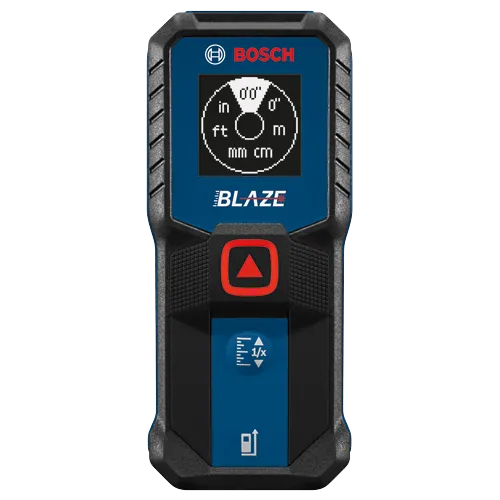
Using it for room planning
Start with a sketch that labels each wall and doorway. Decide whether your drawing describes the open floor area, the span above the baseboards, or the finished wall faces. Those are different dimensions. Write the reference next to each number so that a later shopping decision does not depend on guessing what you measured.
Take the long dimensions first, then record recesses, alcoves, and obstacles separately. A room that looks rectangular can still have a chimney breast, closet opening, or uneven wall. One length and one width may be enough for a rough furniture discussion but insufficient for ordering fitted materials.
For a furniture purchase, measure the route into the room as well as the destination. Door openings, turns, stair landings, and packaging can determine whether an item fits. Check the product’s own dimensions and required clearances. A room measurement cannot answer those separate access questions by itself.
A careful first-use workflow
Read the supplied instructions, install the specified batteries, and identify the tool’s measurement reference. The point where you place the housing must match the starting point you intend to measure from. If you change how the tool rests against a surface, review the reference before trusting the next number.
Choose a clear, stable target and hold the tool steady. Aim away from people and reflective paths, following the manual’s laser safety instructions. Take a reading, write down its unit, and repeat it from the same position. If the results differ enough to affect your decision, investigate the setup before taking an average.
Check a convenient distance against a reliable tape as a basic setup check. This is not a calibration certificate or a substitute for professional verification. It can still help reveal the wrong unit, an unexpected reference point, or a simple aiming mistake before you record an entire room.
For a critical fit, confirm the dimension using the method appropriate to the job and the item being fitted. Material thickness, installation clearance, and an out-of-square opening can matter more than an extra displayed decimal. Ask the installer what measurement they need before ordering a custom piece.
How to avoid misleading measurements
Write units every time. A bare number copied into a shopping note can be confused with inches, feet, centimeters, or meters. Keep the original reading rather than converting it mentally while you are moving around the room. If conversion is necessary, do it deliberately and label the converted result.
Distinguish the target surface from nearby objects. A curtain, cabinet, plant, or door can interrupt the intended path. Walk through the line of measurement before recording a dimension that seems surprising. Repeating the same mistake several times does not make the result more useful.
Avoid making an irreversible cut from a rounded planning figure. Record the full reading first and decide later what precision the task requires. Rounding can make a note easier to communicate, but you should retain the original measurement when it could affect fit or material quantities.
Do not assume all walls are parallel or every corner is square. Measure the relevant opening in more than one place when the project calls for it. If you are arranging a professional installation, supply your notes as preliminary information and let the installer confirm the final dimensions.
Bosch GLM100-23 vs a tape measure
A tape remains the practical first tool for direct marking, short material dimensions, and following an edge. It gives you a visible scale along the workpiece. A laser measure is attractive when the task is to collect a longer straight distance between accessible reference surfaces.
For a simple home kit, the combination is often more useful than treating the two tools as rivals. Use the laser to draft a room layout and the tape to verify an opening, mark a shelf, or check a short clearance. That division follows the task rather than an assumption that a newer electronic tool replaces every older one.
Our laser distance measure vs tape measure guide explains the broader choice. If you already own a good tape, consider how many recent jobs would actually have been easier with a laser. Your own project list is a better purchase signal than a feature checklist alone.
Should you choose a more advanced laser measure?
List your required tasks before comparing upgrades. If you want measurements transferred to an app, explicitly check that the alternative model supports the connection and workflow you need. The GLM100-23 is listed as unconnected, so buying it with the expectation of automatic phone transfer would be a mismatch.
If you need to work outdoors, evaluate a tool specifically for that environment instead of assuming an indoor room-planning recommendation carries over. Target visibility, working distance, weather exposure, and the way you support the tool all deserve attention. Read the exact model documentation before paying for an upgrade.
For broader options, see our homeowner laser measure buying guide and Bosch vs Leica comparison. Compare the particular models that suit your work. A brand name alone does not tell you whether a product has the functions your project needs.
Amazon and Walmart seller checklist
Confirm the model number in the listing details and on the product label shown in the photos. Similar looking Bosch devices can belong to different generations or feature tiers. A title that says only “Bosch laser measure” is not enough to establish that two offers are equivalent.
Read both the seller and fulfillment information. A familiar storefront does not automatically mean the store itself is the seller. Delivery handling and responsibility for a return can be separate questions. Open the current offer’s terms rather than relying on general expectations about either marketplace.
Check condition, package contents, and any missing accessories. An open-box offer can be a reasonable choice for some buyers, but it should not be compared silently with a new, complete unit. Save the order details and receipt, especially if you may need to discuss a warranty claim later.
If a listing’s specifications conflict with Bosch’s documentation, pause before ordering. For example, a retailer title should not override the manufacturer’s battery specification. Ask the seller to clarify the exact item when a detail matters. A confusing listing is a reason to investigate, even if its price looks appealing.
Frequently asked questions
Does the Bosch GLM100-23 replace a laser level?
No. A distance measure and a layout level serve different jobs. Choose according to whether you need a distance reading or an alignment reference, and verify the functions of the exact tool you are buying.
Is Amazon or Walmart cheaper?
We could not establish a verified current price winner. Compare the exact new GLM100-23 offers with your delivery location entered, then include shipping, tax, condition, and seller terms.
Does it connect to a phone?
Bosch lists this model as unconnected. Choose a model with documented connectivity if that is essential to your workflow.
Can I use it to order flooring?
It can help collect preliminary room dimensions. Work out recesses, layout, product coverage, and waste allowance separately, and confirm quantities with your flooring supplier or installer.
Should I trust one reading for a custom fit?
Repeat and verify measurements before a costly or irreversible decision. Confirm what reference and clearance the manufacturer or installer requires. A precise-looking display does not remove those requirements.
Final verdict
The Bosch GLM100-23 belongs on a shortlist for buyers who want straightforward indoor distance measurements and are comfortable keeping a tape for marking and verification. Its appeal is a focused workflow. It is a weaker match when phone transfer, outdoor targeting, or more specialized functions are central to your purchase.
Compare Amazon and Walmart using the buttons below, then buy only after checking the exact model and delivered total. There is no verified price winner in this review. The better offer is the one that meets your condition, seller, delivery, and return requirements at the price shown when you order.
Sources and verification
- Bosch GLM100-23 official product specifications
- Bosch operating and safety manual
- Walmart model listing — listing identity checked; current checkout price not verified.
