
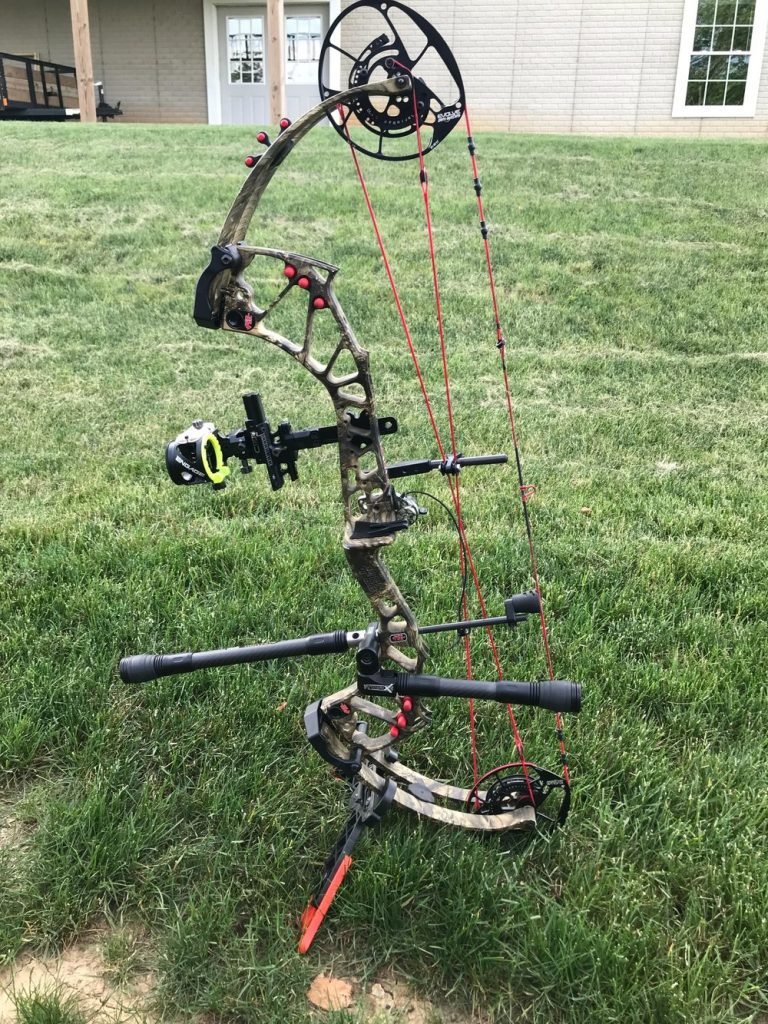
CBE Torx Hunting Stabilizer Kit Review
A practical look at the CBE Torx stabilizer options, who each one suits, and what to check before adding weight and length to your hunting bow.
The CBE Torx Micro 8/10 kit is the most versatile choice here for a hunter who wants front and rear balancing options. The 10-inch Micro is the simpler choice for a longer front setup. The Torx Spyder suits buyers who want to choose a length and build a more basic configuration. Always confirm the exact package contents on Amazon before ordering.
Top CBE Torx Stabilizer Picks
CBE Torx Micro 8/10 Kit
A flexible starting point for archers who want more control over front-to-rear balance.
CBE Torx Micro 10-inch
A focused option when you want a longer stabilizer without buying a larger kit.
CBE Torx Spyder
Worth considering when choosing from multiple listed lengths is your priority.
Quick Comparison
| Product | Best for | Main advantage | Consider first |
|---|---|---|---|
| Torx Micro 8/10 Kit | Adjustable hunting setup | More balancing flexibility | More parts and tuning time |
| Torx Micro 10-inch | Longer front stabilization | Simple, focused configuration | May feel less agile in tight cover |
| Torx Spyder | Length-based selection | Multiple length options may be listed | Package varies by selected option |
Detailed Reviews

1. CBE Torx Micro Stabilizer Kit 8/10
Best for: Hunters who want a more tunable front-and-rear setup
This kit is the strongest all-around option in the group because it gives you more room to change how the bow holds and settles. A front-and-rear arrangement can help counterbalance accessories such as a sight, quiver, and rest. However, the ideal position and weight still depend on your bow and shooting form.
- More setup flexibility
- Useful for balancing accessory weight
- Suitable for gradual tuning
- Requires more trial and adjustment
- Added parts increase total bow weight

2. CBE Torx Micro Stabilizer – 10-inch
Best for: Archers who prefer a longer front stabilizer
A 10-inch front stabilizer moves mass farther from the riser than a short compact model. That can make the bow feel steadier at full draw, although it may also feel slower to move inside a blind or thick cover. This is a cleaner purchase for someone who already knows that a longer front bar suits their setup.
- Longer front profile
- Simpler than a multi-part kit
- Good upgrade path for a known setup
- Less compact in the field
- Balance depends on mounted accessories

3. CBE Torx Spyder Bow Stabilizer
Best for: Buyers comparing different stabilizer lengths
The Torx Spyder listing offers a straightforward way to select a stabilizer by length. Shorter options can be easier to carry, while a longer option places weight farther forward. Because Amazon variations may differ, choose the exact length first and check what hardware or weights the selected package includes.
- Choice of listed lengths
- Simple front-stabilizer approach
- Useful for compact hunting builds
- Contents can vary by variation
- Not the same tuning range as a full kit
How to Choose the Right Setup
Start with your hunting environment
A short stabilizer is easier to maneuver in a ground blind, tree stand, or dense woods. A longer stabilizer may offer a steadier feel, but it adds length to the bow. Choose field usability before chasing maximum size.
Balance the complete bow
Your sight, quiver, rest, arrows, and other accessories affect balance. Therefore, evaluate the bow in its normal hunting configuration. A rear bar can help offset weight that pulls the bow to one side or forward.
Add weight gradually
More weight is not automatically better. It may calm movement, yet it can also cause fatigue during long practice sessions. Start light, shoot several groups, and make one small change at a time.
Basic Installation and Tuning
- Unload the bow and work in a safe area. Inspect the stabilizer bushing and threads for damage.
- Thread the stabilizer into the bow’s intended stabilizer mount by hand. Do not cross-thread it.
- Tighten it according to the product and bow instructions. Avoid forcing small fasteners.
- Install any rear-bar mount or weights only as directed by the manufacturer.
- Shoot at a safe range. Note pin movement, bow reaction, vibration, and fatigue.
- Change only one position or weight at a time, then test again before final tightening.
Frequently Asked Questions
What does a bow stabilizer do?
It adds mass away from the riser and can change balance, aiming feel, post-shot reaction, vibration, and perceived noise. Results vary with the bow and archer.
Is a longer stabilizer always more accurate?
No. A longer stabilizer may make the bow feel steadier, but accuracy still depends on tuning, fit, shooting form, and practice. Extra length can also reduce maneuverability.
How much stabilizer weight should I use?
Use the lightest setup that gives you a stable, repeatable hold without creating excess fatigue. Add weight gradually and evaluate it through controlled practice.
Will the CBE Torx fit every compound bow?
Do not assume universal compatibility. Check the bow’s mounting thread, clearance, manufacturer guidance, and the exact specifications of the selected CBE model.
Should I choose a kit or one front stabilizer?
A single front stabilizer is simpler. A kit with front and rear components offers more balance adjustment, which can be useful when your accessories make the bow lean or roll.
Final Verdict
Choose the CBE Torx Micro 8/10 Kit if tuning flexibility matters most. Pick the 10-inch Micro for a simpler longer-front setup. Consider the Torx Spyder when you mainly want to select a suitable length. Whichever option you choose, confirm the current listing details and tune it gradually on your own bow.